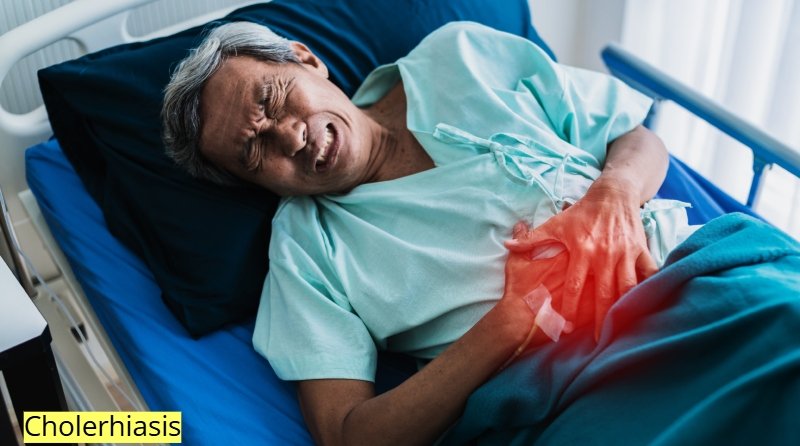
Cholerhiasis, commonly referred to as gallstones, is a medical condition where hardened deposits form in the gallbladder, a small organ located beneath the liver. While some people may have gallstones without ever realizing it, others experience significant discomfort, digestive issues, or even serious complications.
Understanding Cholerhiasis is crucial for early detection, proper treatment, and long-term health. This guide will explain what causes gallstones, the signs to watch for, how they are diagnosed, treatment options, and preventive measures to reduce your risk.
What is Cholerhiasis?
Cholerhiasis occurs when solid stones develop in the gallbladder, which stores bile—a digestive fluid produced by the liver. These stones form when the balance of cholesterol, bile salts, and bilirubin in the bile is disrupted.
Gallstones vary in size, from tiny grains to large stones the size of a golf ball. Some people with Cholerhiasis experience no symptoms at all, while others may suffer intense pain or digestive issues.
Essentially, Cholerhiasis is not just a single problem—it’s a condition that can affect digestion, liver function, and overall well-being if left untreated.
Causes of Cholerhiasis
Understanding the causes of Cholerhiasis is key to prevention. Gallstones form due to several factors:
1. High Cholesterol in Bile
Excess cholesterol can crystallize in the gallbladder, leading to the formation of cholesterol gallstones, the most common type.
2. Excess Bilirubin
Bilirubin is a chemical produced when the body breaks down red blood cells. Too much bilirubin can cause pigment gallstones.
3. Gallbladder Emptying Problems
When the gallbladder doesn’t empty completely or frequently, bile stagnates and stones can form.
4. Risk Factors That Increase Chances
-
Obesity or rapid weight gain
-
Female hormones (pregnancy, contraceptives)
-
Age over 40
-
Family history of gallstones
-
Sedentary lifestyle or poor diet
-
Diabetes or liver disorders
By understanding these causes, you can take proactive steps to reduce your risk.
Symptoms of Cholerhiasis
Cholerhiasis can sometimes remain silent, meaning you may have gallstones without noticeable symptoms. When symptoms do appear, they can vary in intensity:
1. Abdominal Pain
-
Sharp pain in the upper right abdomen or the center of the stomach
-
Pain may radiate to the back or right shoulder
-
Often occurs after eating fatty meals and can last from a few minutes to several hours
2. Digestive Issues
-
Bloating
-
Indigestion
-
Nausea or vomiting
3. Jaundice
Yellowing of the skin and eyes, which may occur if a gallstone blocks bile flow.
4. Fever or Chills
Could indicate cholecystitis, an infection of the gallbladder.
5. Silent Stones
Many people live with Cholerhiasis without ever experiencing discomfort, making routine check-ups important.
Complications of Cholerhiasis
While some cases are harmless, untreated Cholerhiasis can lead to severe complications:
1. Cholecystitis
Gallstone blockage can inflame the gallbladder, causing severe pain and infection.
2. Pancreatitis
A gallstone blocking the pancreatic duct can inflame the pancreas, resulting in intense abdominal pain and nausea.
3. Cholangitis
An infection of the bile ducts due to gallstone obstruction. Urgent medical care is required.
4. Rare Risk of Gallbladder Cancer
Chronic inflammation caused by gallstones may slightly increase cancer risk.
Diagnosis of Cholerhiasis
Doctors use several methods to confirm Cholerhiasis:
1. Ultrasound
A simple, non-invasive imaging test that is highly effective in detecting gallstones.
2. CT Scan or MRI
Used in complex cases to provide detailed images of the gallbladder and surrounding organs.
3. HIDA Scan
Assesses gallbladder function and detects bile flow issues.
4. Blood Tests
Check for liver function, infection, and bile duct blockage.
Early diagnosis ensures timely treatment and reduces the risk of complications.
Treatment Options for Cholerhiasis
The choice of treatment depends on symptom severity, stone size, and risk of complications.
1. Watchful Waiting
If gallstones are asymptomatic, doctors may recommend monitoring without immediate treatment.
2. Medications
Certain drugs can slowly dissolve cholesterol stones, but results vary and treatment may take months.
3. Surgery (Cholecystectomy)
-
Laparoscopic cholecystectomy is the most common procedure, removing the gallbladder safely and efficiently.
-
Recommended for recurrent or severe symptoms.
-
Recovery is generally quick, and patients can live normally without a gallbladder.
4. Alternative and Supportive Approaches
-
Dietary management
-
Light exercise and hydration to support gallbladder health
-
These approaches cannot remove existing stones but help prevent new ones.
Prevention of Cholerhiasis
Preventing Cholerhiasis involves lifestyle choices and awareness:
-
Maintain a healthy weight and avoid rapid weight loss.
-
Eat a balanced diet rich in fiber, fruits, vegetables, and lean proteins.
-
Limit saturated fats and fried foods.
-
Exercise regularly to promote healthy gallbladder function.
-
Stay hydrated to ensure bile flows properly.
-
Monitor risk factors, especially if you have a family history of gallstones.
Lifestyle Tips for Managing Cholerhiasis
Even after gallstone removal, lifestyle adjustments help maintain digestive health:
-
Eat smaller, frequent meals instead of heavy fatty meals.
-
Avoid foods that trigger digestive discomfort.
-
Include whole grains, fresh fruits, vegetables, and healthy fats in your diet.
-
Maintain regular physical activity such as walking, swimming, or yoga.
-
Track symptoms and consult a doctor if pain, nausea, or jaundice occurs.
Common Myths About Cholerhiasis
Myth 1: Gallstones Always Cause Pain
Many people have gallstones without ever experiencing discomfort.
Myth 2: Gallstones Can Be Dissolved Quickly With Medicine
Medication works slowly and is not effective for all types of stones.
Myth 3: Surgery Is Always Required
Only symptomatic or complicated gallstones need surgical removal.
Understanding these myths helps people make informed decisions about their health.
When to Seek Medical Help
Seek immediate attention if you experience:
-
Sudden, severe abdominal pain
-
Persistent vomiting
-
High fever with chills
-
Yellowing of the skin or eyes
Early intervention can prevent serious complications like pancreatitis, cholangitis, or gallbladder infection.
Conclusion
Cholerhiasis is a common condition, but with the right knowledge, it can be managed effectively. Awareness of causes, early detection of symptoms, and lifestyle adjustments are key to maintaining gallbladder health.
While surgery may be necessary in severe cases, many people benefit from preventive measures and healthy habits. By following this guide, you can reduce your risk, recognize symptoms early, and take control of your health. Visit Healthylifing.com for more details.

